
Floors Built to Handle Daily Traffic
Flooring Installation in Lubbock for worn carpet, outdated tile, and new construction requiring durable finished surfaces
Flooring installation replaces materials that show traffic patterns you can't vacuum away, addresses tile cracked from foundation movement, and provides finished walking surfaces in remodeled or newly constructed spaces where subflooring is exposed. The service covers multiple flooring types selected to match your durability requirements, style preferences, and budget constraints. RNS Renovations prepares subfloors by leveling uneven areas, repairing damaged sections, and ensuring moisture levels won't compromise adhesive bonds or cause planks to warp after installation.
Proper subfloor prep prevents common failures like hollow spots under laminate that crack when stepped on, tile that pops loose because the underlayment flexed, and vinyl that telegraphs every seam in the plywood beneath it. The installation process includes acclimating materials to interior humidity levels before laying them, maintaining expansion gaps where flooring meets walls, and using appropriate underlayment for sound control and moisture protection.
Request a free estimate and flooring consultation to evaluate material options suited to your space and usage patterns.
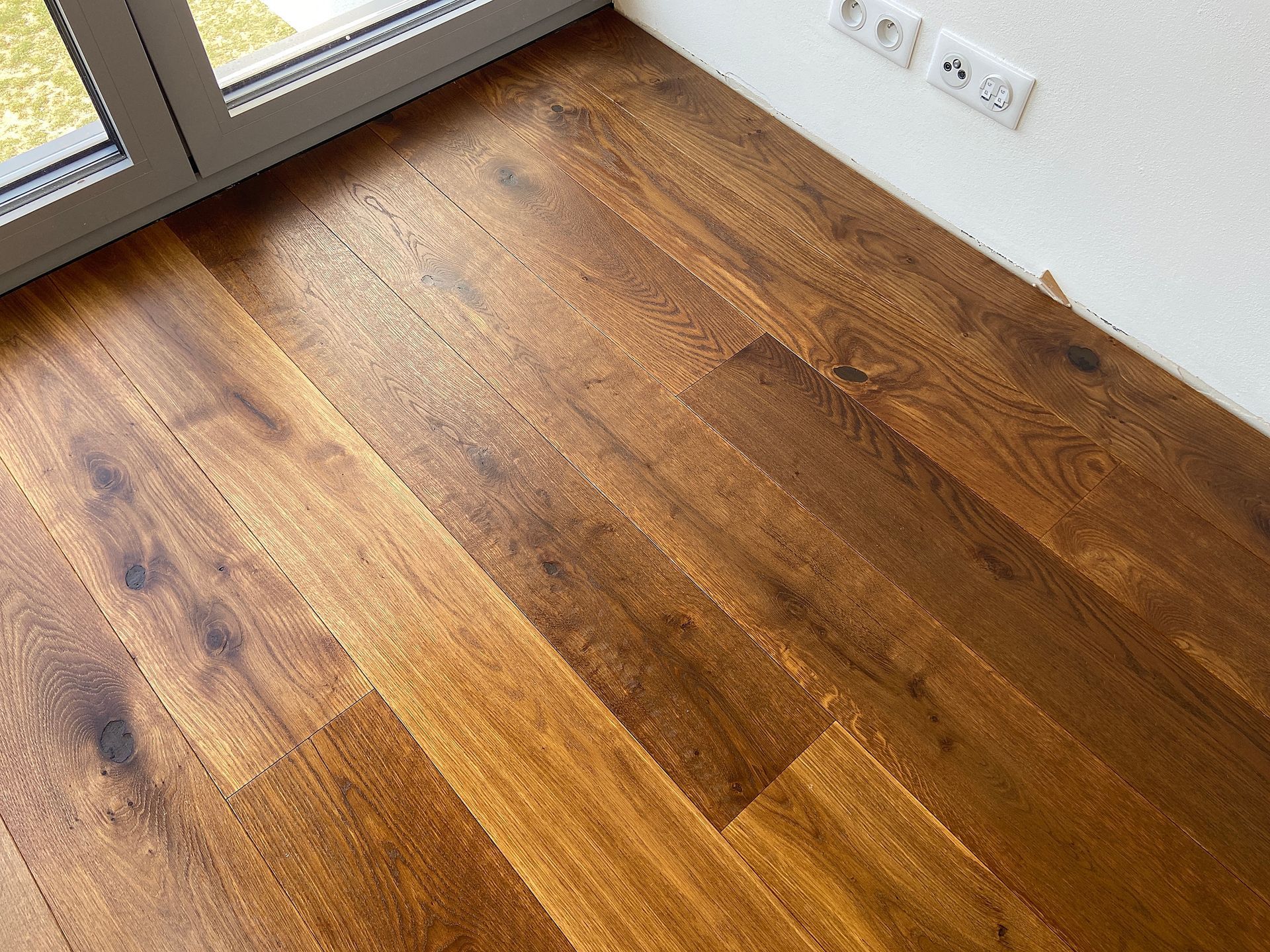
What Changes After Flooring Replacement
New flooring eliminates the visual wear patterns that mark high-traffic paths, removes allergens trapped in old carpet fibers, and creates uniform surfaces that simplify cleaning routines. You notice the difference when chairs roll smoothly without catching on seams, when spills wipe up instead of soaking in, and when the floor feels solid underfoot without hollow sounds or flexing that suggest poor installation. Material selection affects long-term performance—luxury vinyl resists scratches better than laminate in homes with pets, while tile provides thermal mass that stays cool during Lubbock summers.
Flooring projects coordinate with other renovation work to avoid damage from trades working overhead or moisture introduced during drywall finishing. Installation happens after wall painting is complete but before final trim and baseboards are installed, so edges stay protected and transitions between rooms are finished cleanly. The service applies to full home remodels, single-room upgrades like kitchen or bathroom renovations, and commercial spaces updating tenant areas between leases.
Material warranties depend on proper installation—manufacturer coverage often excludes failures caused by subfloor issues or incorrect acclimation, which is why prep work matters as much as the flooring itself. Projects include removal and disposal of existing materials, so you don't manage debris or arrange separate hauling services.
Answers to Frequent Flooring Questions
Flooring decisions involve trade-offs between appearance, durability, and maintenance requirements. These answers help you evaluate options.
What flooring types work best for high-traffic commercial spaces?
Commercial-grade luxury vinyl tile and sheet vinyl offer durability under heavy foot traffic, resist staining from spills, and require minimal maintenance compared to carpet or hardwood, making them practical for offices and retail environments.
How does subfloor condition affect flooring installation cost?
Subfloors with significant damage, moisture issues, or levelness problems outside tolerance require repair or replacement before flooring is laid, which adds material and labor costs but prevents premature failure of the finished floor.
When should flooring be installed during a remodel?
Flooring installation happens after drywall work, painting, and any overhead trades finish, but before baseboard and trim are installed, so you avoid damage from construction activity and achieve clean transitions at room edges.
What preparation do you need to complete before installation day?
Remove furniture and stored items from the work area, clear access paths for material delivery, and arrange alternative spaces if rooms will be unusable during installation and curing time.
How long before new flooring is ready for furniture and normal use?
Timelines vary by material—laminate and vinyl are walkable immediately after installation, while tile requires grout curing time of at least twenty-four hours, and adhesive-set products may need longer before heavy furniture is placed.
RNS Renovations tailors flooring solutions to match your property type and usage needs, coordinating installation with other renovation services for efficient project completion. Reach out for a consultation to discuss material options and receive a detailed cost estimate based on your space.