
Perimeters That Define Property Lines Clearly
Fencing and Fence Staining in Lubbock for properties needing privacy, livestock containment, and protection from wind-driven debris
Fences that lean after high winds, show gray weathering from UV exposure, or no longer mark property boundaries clearly need replacement or restoration to restore function and appearance. RNS Renovations installs custom fencing solutions designed to match property layout, address specific security or privacy requirements, and withstand West Texas weather conditions that deteriorate untreated wood and loosen poorly anchored posts. Staining services protect wood fibers from moisture penetration and UV breakdown, extending fence lifespan in a climate where temperature extremes and low humidity accelerate material degradation.
Fence installation includes setting posts in concrete below frost line depth, selecting materials appropriate for the application—privacy panels for residential yards, livestock fencing for rural properties, or decorative options for commercial frontage—and building structures that resist racking when gates swing or wind loads apply lateral force. Staining penetrates wood surfaces to block water absorption that causes rot and splitting while maintaining natural grain appearance homeowners prefer over solid paint finishes.
Request a free quote to evaluate fencing options tailored to your property's terrain, usage needs, and aesthetic preferences.
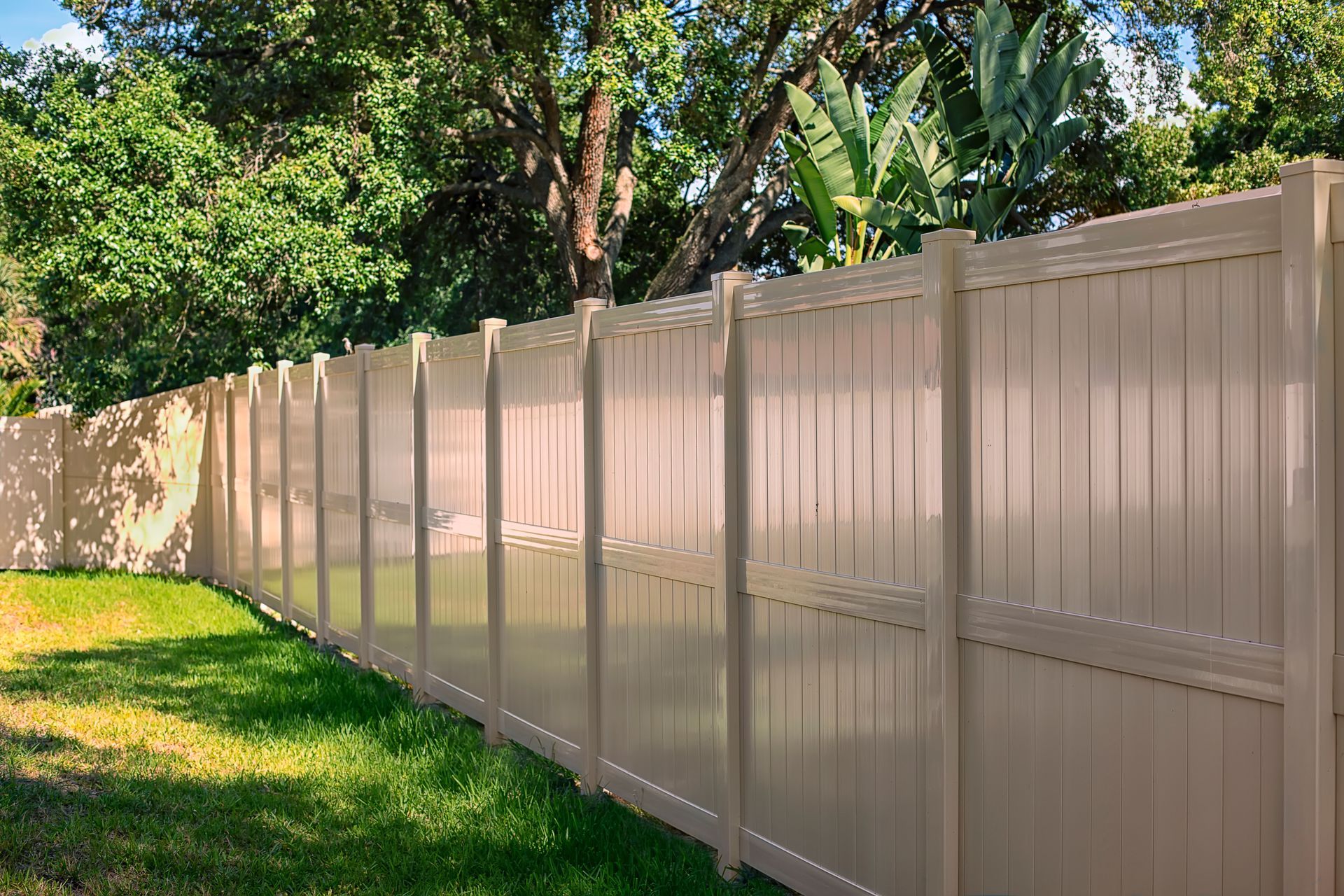
What Staining Does for Fence Longevity
Wood fences left untreated in Lubbock absorb moisture during occasional rains, then dry rapidly under intense sun, creating expansion-contraction cycles that split boards and warp panels. Staining fills wood pores with protective compounds that repel water, block UV radiation that breaks down lignin, and prevent insect damage that hollows out untreated posts from the inside. Quality stains formulated for exterior use in arid climates maintain flexibility as wood moves seasonally, unlike film-forming finishes that crack and peel within two years.
After staining, fence wood retains its original color instead of fading to gray, boards remain dimensionally stable without cupping or twisting, and the structure maintains its installed appearance for years rather than deteriorating visibly within months. You notice water beads on the surface after rain instead of soaking in, and the fence continues to provide the privacy or security function it was installed to serve without requiring board replacement due to rot or breakage.
The service applies to new fence installations where staining is done before assembly for complete coverage, existing fences showing early weathering that can be restored, and commercial properties maintaining consistent appearance across multiple perimeter sections. Combining installation with staining ensures uniform finish quality and eliminates the need to schedule separate contractors for completion.
What Homeowners Ask About Fencing
Fencing projects involve material selection, installation methods, and maintenance approaches that affect long-term performance. These answers address common concerns.
What fence materials work best in Lubbock's wind conditions?
Cedar and treated pine posts set in concrete provide stability against wind loads, while panel designs with spacing between boards reduce wind resistance compared to solid privacy fences that catch gusts and stress anchor points.
How often does fence staining need reapplication?
Stain longevity depends on sun exposure and wood type, but most quality exterior stains require reapplication every three to five years in West Texas, with south-facing sections needing attention sooner due to higher UV exposure.
When should you stain a new fence after installation?
New wood benefits from immediate staining once surface moisture content drops below twenty percent, which typically takes two to four weeks in Lubbock's dry climate, allowing stain to penetrate properly without trapping moisture inside.
What fencing options provide both security and curb appeal?
Decorative wrought iron or aluminum sections combined with privacy panels in rear yards balance street-facing aesthetics with backyard seclusion, while shadowbox designs offer partial visibility with layered boards that create privacy from most angles.
How deep do fence posts need to be set in Lubbock soil?
Posts should extend at least two feet below grade in stable soil, with deeper settings or concrete footings required in sandy areas or for taller fences where wind loads increase leverage on anchor points.
RNS Renovations designs fencing solutions that address your property's specific needs while delivering installation quality that performs reliably through seasonal weather changes. Schedule a consultation to discuss layout options and receive a detailed project estimate based on your fencing requirements.